Yes, our platform is on this list — I built it. But this is an honest comparison, including free options, because renting instead of buying only works if you can actually find what you need.
Canadians are sitting on billions of dollars of stuff that gets used a few days a year — and paying full retail for items they'll use once. A freeze dryer runs $3,500+ new. A decent generator, $800. Wedding décor, hundreds of dollars for a single afternoon. Renting solves this from both directions: borrow what you need for a fraction of the purchase price, and earn money from the gear collecting dust in your garage.
The catch is that Canada's rental options are scattered across very different kinds of platforms — some built for it, some improvised. Here's how they actually compare.
Quick comparison
LEND-IT.CA
Best for: Useful items from individuals and rental businesses
Payment protection: Secure in-platform payments + Lender Guarantee
Where it works: Canada-wide
Cost to list: Free
Facebook Marketplace
Best for: Maximum reach, informal deals
Payment protection: None — cash/e-transfer, buyer beware
Where it works: Everywhere
Cost to list: Free
Kijiji
Best for: Classifieds-style rental ads
Payment protection: None — arranged off-platform
Where it works: Canada-wide
Cost to list: Free (paid boosts)
RentMyTool
Best for: Tools, equipment, sporting gear
Payment protection: In-app payments
Where it works : Select Canadian cities
Cost to list: Free
Tool libraries
Best for: Basic tools at minimal cost
Payment protection: N/A (membership model)
Where it works: Major cities only
Cost to list: Annual membership fee
Turo / Outdoorsy
Best for: Vehicles and RVs specifically
Payment protection: Yes, insurance-backed
Where it works: Canada-wide
Cost to list: Free (commission)
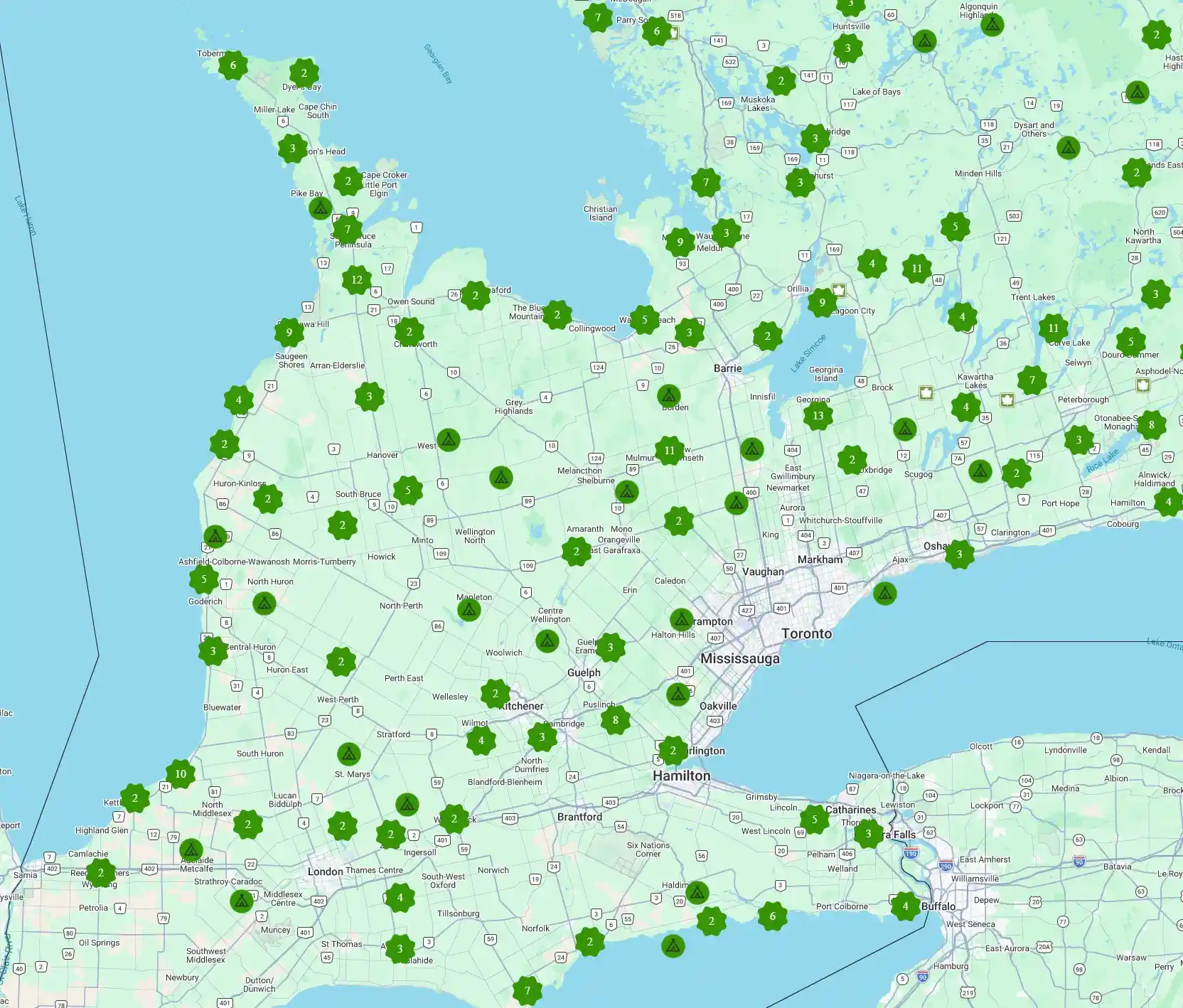
1. LEND-IT.CA — best all-round rental marketplace in Canada
Full disclosure: this is my platform, and I built it because of a gap I couldn't find anyone filling — a single Canadian marketplace where you can rent from both your neighbours and established local rental businesses.
That hybrid model matters more than it sounds. Peer-to-peer-only platforms struggle with reliability (your neighbour's pressure washer might be booked, broken, or gone). Business-only rental sites carry commercial pricing and limited categories. Combining both means deeper inventory — everything from a $15/day steam cleaner listed by someone down the street to professional event packages from a dedicated rental company.
What you get: dedicated rental listings that are searchable by location, secure in-platform payments protecting both sides, user profiles and reviews, in-app messaging, and a Lender Guarantee Policy so people can list valuable items with confidence. Listing is free; the platform takes a service fee on completed rentals.
Honest limitations: as a growing Canadian marketplace, inventory depth varies by city — strongest in Ontario today. If you search your area and find nothing, list something instead; supply is built by people like you.
2. Facebook Marketplace — biggest reach, zero protection
Nearly every Canadian is already on it, which makes it the largest informal rental pool in the country. People do rent out trailers, tools, and party equipment here.
The trade-off is that Marketplace was never built for rentals. There's no rental agreement, no damage protection, no secure payment — just messages and e-transfers between strangers. There is no verification layer, and scams are common enough that every listing deserves extra caution. Fine for a $10 folding-table rental from someone two streets over; risky for anything valuable.
3. Kijiji — the classifieds workhorse
Kijiji has long had rental listings buried in its classifieds, particularly for heavy equipment and event items, and the platform itself takes reasonable steps to protect user data. But like Marketplace, everything past the ad happens off-platform — email, phone, cash — with no payment protection and no review system built for rentals. You're relying entirely on your own judgment.
4. RentMyTool — tools and gear, peer-to-peer
A Canadian peer-to-peer app focused on tools, equipment, sporting gear and event items, with in-app listing and payments. It's a genuine rental-first platform with a sustainability mission similar to ours. Its focus is narrower than a general marketplace — strongest in tools and gear — and coverage depends on user density in your city. Worth checking alongside LEND-IT.CA if you're specifically after tools.
5. Tool libraries — the community option nobody should skip
Toronto, Vancouver, Ottawa, Calgary, Halifax and other cities run non-profit tool libraries: pay a modest annual membership, borrow from hundreds of tools. If you only need basic hand and power tools a few times a year and live near one, this is the cheapest option in Canada, full stop. Limitations: basic inventory, limited hours, city-core locations, and nothing beyond tools — no event gear, appliances, or specialty equipment.
6. Turo and Outdoorsy — for vehicles only
If what you're renting is a car or an RV, skip general marketplaces entirely. Turo (cars) and Outdoorsy (RVs and campervans) are purpose-built, insurance-backed, and operate across Canada. They don't handle items — but they're the right tool for that job.
How to choose
Renting something valuable, or renting out something valuable? Use a platform with payments and protection built in — LEND-IT or RentMyTool — not a classifieds site.Need it today and cheap, low stakes? Marketplace or Kijiji, eyes open.Basic tools, a few times a year, big city? Join your tool library.Want to earn from your unused stuff without running your own ads and chasing e-transfers? A rental-first marketplace handles payments, bookings, and reviews for you.
FAQ
What is the best marketplace for renting items in Canada? It depends on what you're renting. For general items with payment protection across Canada, LEND-IT.CA offers the widest model — individuals and rental businesses on one platform. For informal, low-value rentals, Facebook Marketplace and Kijiji have the most listings but no protections. For vehicles, use Turo or Outdoorsy.
Is it safe to rent items from strangers? It's as safe as the platform's protections. Dedicated rental marketplaces verify users, process payments securely, hold both sides to reviews, and offer damage policies. Classifieds and social platforms offer none of that — if you use them, meet in person, document the item's condition with photos, and never pay in advance by e-transfer.
Can I make money renting out my stuff in Canada? Yes. Items with the best rental demand are ones people need occasionally but rarely own: tools, freeze dryers , event and wedding décor, party equipment, camping gear, and specialty appliances. Small rental businesses also use marketplaces like LEND-IT.CA to reach customers without building their own booking site.
What happened to Ruckify? Ruckify was an Ottawa-based peer-to-peer rental platform that ceased operations. Several Canadian platforms, including LEND-IT.CA, now serve the market it left behind.
Is renting cheaper than buying? For anything you'll use fewer than five or six times, almost always. A $30/day rental beats a $500 purchase you'll use twice — and it doesn't take up garage space or end up in a landfill.
Tim Sattler is the founder of LEND-IT.CA, Canada's hybrid rental marketplace connecting individuals and local rental businesses. He believes most Canadians should rent before they buy — including from our competitors, if that's what gets you there.